Getting Started with Home Recording: Essential Equipment You'll Actually Need
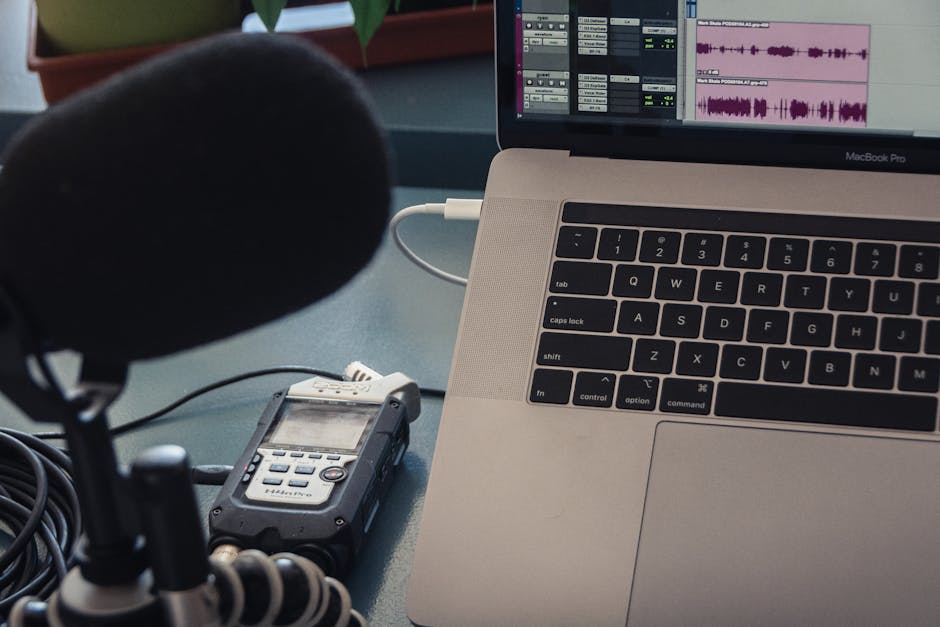
Starting a home recording setup can feel overwhelming, especially with the endless array of equipment available. The good news is that you don't need thousands of pounds to create professional-sounding recordings. Let's break down what you actually need versus what's nice to have.
The Core Equipment
First, you'll need a decent microphone. For most home recordists, a USB condenser microphone offers excellent value and requires minimal setup. Models in the £100-300 range will serve you well for vocals, acoustic instruments, and podcasting. Avoid the temptation to skimp here—a quality microphone is your foundation.
Next, invest in headphones. You need a pair that lets you hear what's actually being recorded, not what sounds pleasant. Closed-back studio headphones around £80-150 will give you honest feedback without colouring the sound.
A microphone stand and pop filter are non-negotiable. These cost around £30-50 combined and prevent plosive sounds (harsh 'p' and 'b' sounds) from ruining your recordings.
The Recording Interface
This device connects your microphone to your computer and converts analogue signals to digital. USB interfaces like the Focusrite Scarlett or PreSonus Quantum are reliable choices at £100-200. They include decent preamps that amplify your microphone signal cleanly.
Computer and Software
You likely already have a computer. Any reasonably modern laptop or desktop works fine. For software, free options like Audacity and Cakewalk by BandLab are surprisingly capable for beginners. When you're ready to upgrade, affordable DAWs (Digital Audio Workstations) like Reaper or Studio One exist at reasonable prices.
Acoustic Treatment
Before buying expensive foam panels, try using soft furnishings you already own. Heavy curtains, bookshelves, and carpets absorb sound reflections. If you need more control, budget acoustic foam panels start around £30-50 per panel.
Budget Breakdown
A functional home studio can cost as little as £400-600:
- USB microphone: £150
- Headphones: £100
- Interface: £150
- Stand and pop filter: £50
- Free or low-cost software: £0-100
What to Avoid Initially
Don't buy a massive mixing desk unless you're recording multiple instruments simultaneously. Skip the expensive outboard gear for now. Avoid cheap condenser microphones—they sound thin and noisy. Don't treat your room until you understand your acoustic problems.
Remember, the best equipment is what you'll actually use. Start simple, learn the fundamentals, and upgrade gradually as your skills and budget grow. Many brilliant recordings have been made in bedrooms with modest gear. Your creativity matters far more than your equipment budget.