Microphone Techniques: How to Record Better Vocals at Home
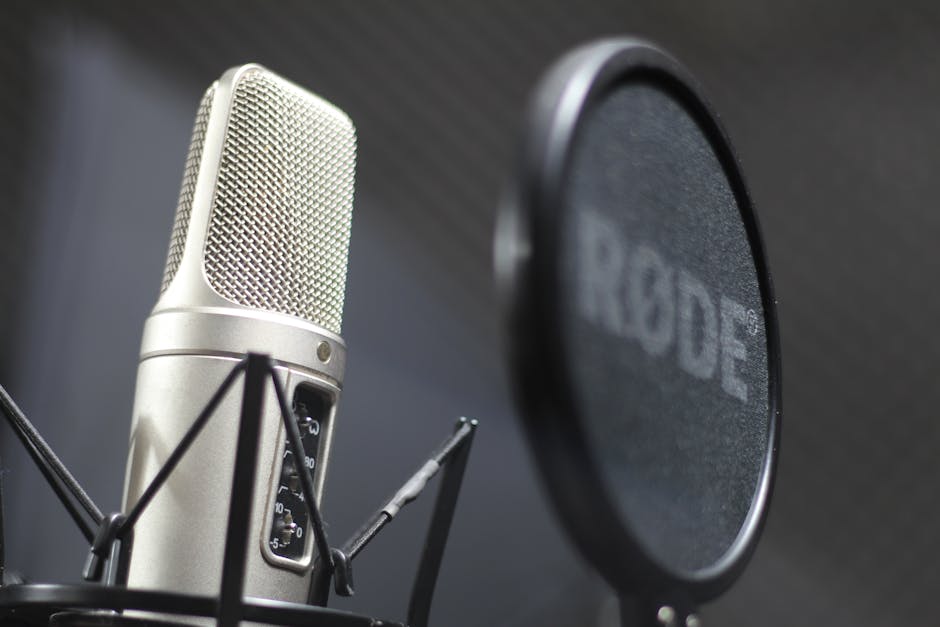
Recording vocals at home presents unique challenges. Unlike professional studios with treated rooms and experienced engineers, you're working with whatever space you have. However, good technique can overcome many limitations. Here's how to get better vocal recordings.
Microphone Placement Matters
Position your microphone at mouth level, roughly 15-30 centimetres away. Too close and you'll capture plosives and proximity effect (excessive bass). Too far and you pick up room noise and lose intimacy. Experiment to find your sweet spot, but start around 20 centimetres.
Angle the microphone slightly off-axis—pointing at your mouth from a 45-degree angle—rather than directly at your lips. This further reduces plosives and creates a more natural tone.
Use Your Pop Filter
A pop filter isn't optional. It prevents harsh plosive sounds that distort even good microphones. Position it between you and the microphone, about 10 centimetres away. Quality pop filters cost under £30 and make a dramatic difference.
Breathing and Technique
Breathe between phrases, not during them. If you must breathe mid-phrase, move slightly away from the microphone so the breath noise is quieter. Consistent distance from the microphone prevents dramatic volume changes.
Relax your shoulders and jaw. Tension affects your tone and makes everything sound strained. A little physical warm-up before recording helps tremendously.
Recording Environment
Choose your quietest room. Bedrooms with carpets and soft furnishings work better than empty kitchens. Close windows to reduce traffic noise. Turn off fans, air conditioning, and computer fans if possible. Ask household members to be quiet during takes.
If your room is very reflective, hang blankets or duvets behind and beside you as temporary acoustic treatment. This absorbs sound reflections that create a hollow, amateurish sound.
Recording Levels
Set your input level so peaks reach around -6dB on your meter. This gives you headroom to prevent distortion whilst maintaining good signal strength. Too quiet and you'll need to amplify, which amplifies noise. Too loud and you'll clip and distort.
Multiple Takes
Record several takes of each section. Comping (combining the best bits of multiple takes) is standard practice. This removes pressure to get one perfect take and lets you focus on delivering good performances.
Monitoring
Wear headphones while recording so you can hear yourself clearly. This helps you stay in time and on pitch. Use a click track to maintain steady timing.
Post-Recording
Don't process heavily during recording. Record clean, dry vocals. You can add EQ, compression, and reverb later when you're not under pressure. This gives you flexibility during mixing.
Patience and consistent technique produce better results than expensive equipment. Focus on these fundamentals and your vocal recordings will improve noticeably.