Soundproofing Your Recording Space: Practical Solutions for Home Studios
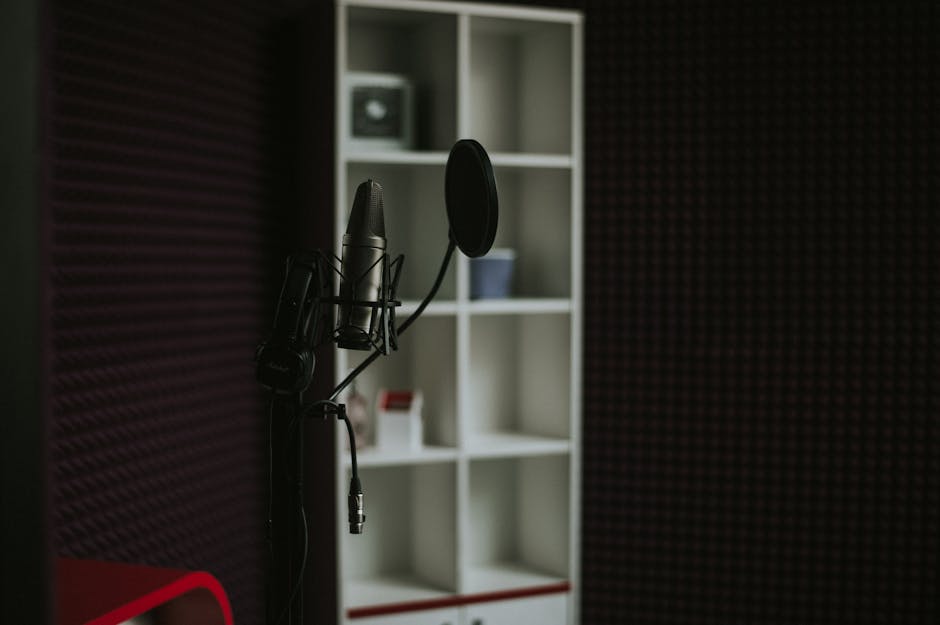
Recording at home means dealing with external noise: traffic, neighbours, household appliances, and ambient sounds. While complete soundproofing costs thousands, practical solutions dramatically improve your recordings. Here are affordable approaches that actually work.
Understand the Difference
Soundproofing and acoustic treatment are different. Soundproofing blocks outside noise from entering (expensive and requires construction). Acoustic treatment manages sound inside your room (affordable and renter-friendly). Most home recordists need both, but treatment gives better value.
Identifying Problem Areas
Record a test track with silence and listen carefully. Where does the noise come from? Traffic outside? Neighbours? Appliances? Your computer fan? Identifying problems guides your solutions.
Common culprits in UK homes include thin windows, shared walls, and poor insulation. Don't treat the whole room if one window is the main issue.
Window Treatments
Windows leak sound terribly. Affordable solutions include:
- Heavy blackout curtains: £30-60 per window. Thick fabric absorbs and dampens sound.
- Window plugs: DIY using rockwool and wooden frames. Costs £20-40 per window. Remove and reinstall as needed.
- Secondary glazing: More expensive (£200+) but very effective. This is a longer-term investment.
Start with heavy curtains. They're cheap, easy, and help significantly.
Door Sealing
Doors let substantial noise through. Weatherstripping and door sweeps (£10-20) reduce sound leakage. These are simple to install and very effective. For maximum isolation, hang a heavy blanket or acoustic curtain inside the door.
Absorption Materials
These don't block noise but reduce reflections and reverberation inside your room, making recordings clearer.
Budget options:
- Heavy curtains and blankets: Free to £30. Hang them on walls and windows.
- Bookshelves: Free if you already own them. Filled bookshelves absorb mid and high frequencies well.
- Carpets and rugs: Absorb low frequencies. Essential for reflective rooms.
- Acoustic foam: Budget options start around £20-30 per panel. Effective but not essential initially.
Strategic Placement
Focus treatment on reflection points. Identify where sound bounces by clapping in your room and listening. Treat the wall behind your microphone first—this prevents reflections from ruining recordings.
Treat corners aggressively. Bass frequencies accumulate there. Thick blankets or bass traps (corner-specific absorbers) help significantly.
DIY Acoustic Panels
Make affordable panels using rockwool, wooden frames, and fabric. A 60cm x 60cm panel costs around £15-20 to build. YouTube has excellent tutorials. These work as well as expensive commercial panels.
Managing Appliance Noise
Turn off computers, fans, and air conditioning during recording. Unplug devices that generate electromagnetic hum. These small steps remove a surprising amount of noise.
Monitoring Isolation
Your microphone picks up sound from your monitors (speakers) or headphones bleed-through. Use closed-back headphones for monitoring. If using speakers, position them carefully or use isolation pads underneath.
Realistic Expectations
You can't achieve professional studio isolation in a bedroom, and that's okay. Good recording technique compensates. Proper microphone placement, close enough to capture your voice clearly, minimises room noise. A pop filter prevents plosives that sound worse than ambient noise.
Budget Soundproofing Plan
- Heavy curtains: £40
- Weatherstripping and door sweep: £15
- Blankets for wall treatment: £20
- Carpet or rugs: £30-50
- Total: £105-125
Start with these basics. They address the biggest problems affordably. As your recordings improve, add acoustic panels or DIY treatment gradually. Small investments in treating your space yield dramatic improvements in recording quality.